
Restoration of Critical Forest Corridors in Western Nepal
Red Panda Network

Objective
Restore critical forest corridors in Western Nepal to reconnect isolated red panda populations while strengthening the livelihoods of local communities.
Context and Challenges
The 2016 national inventory revealed that red panda habitats are fragmented into over 400 small, isolated patches. This fragmentation threatens the species’ survival. While the Nepalese government has integrated restoration into its National Action Plan, the Community Forest User Groups (CFUGs) managing these lands lack the necessary resources and support.
Why it matters
Protecting the red panda means preserving Himalayan forest ecosystems. This project creates a win-win solution: it safeguards biodiversity while improving residents’ lives through local employment, better-managed resources, and cleaner energy.
Areas of actions
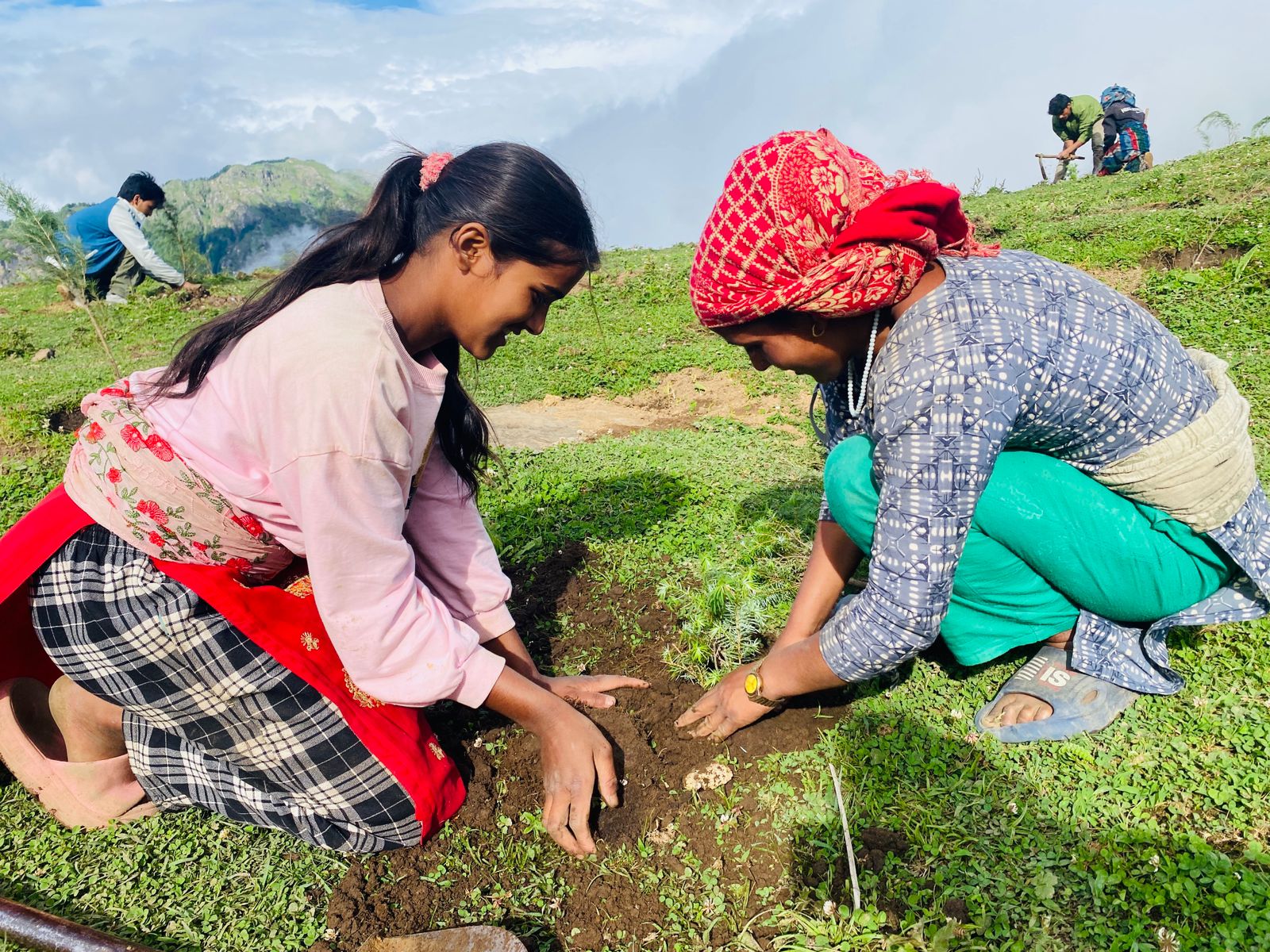
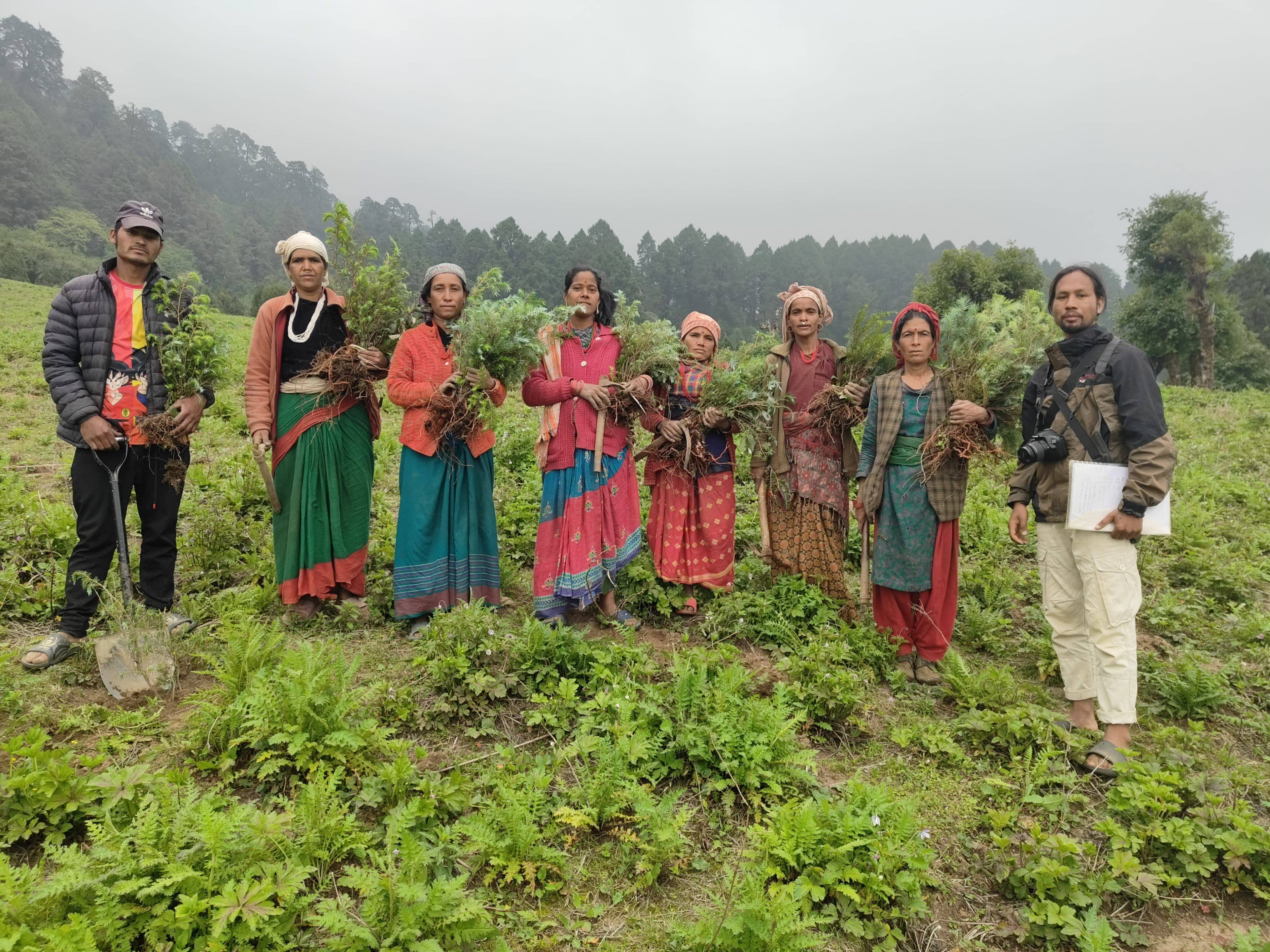
- Forest Restoration: Establishing nurseries and replanting 105 hectares to connect 20,000 hectares of community forests. This includes complementary infrastructure (100 water collection ponds, firebreaks).
- Multipurpose Species: Using a mix of species beneficial to red pandas and plants useful to the communities to create incentives for conservation.
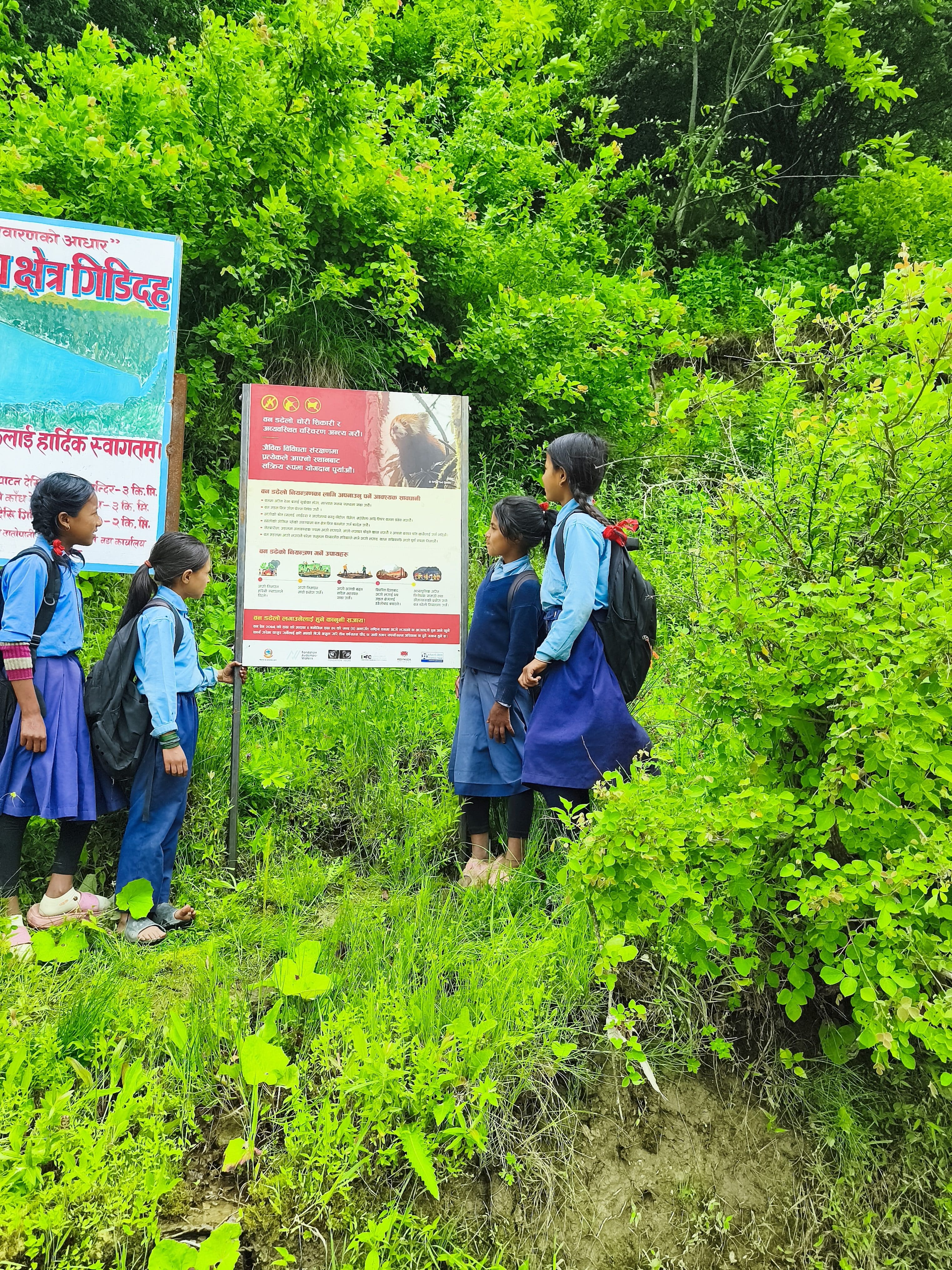
- Capacity Building: Training forest guardians and CFUGs in forest management and administration.
- Improving Living Conditions: Distributing 150 improved cookstoves to reduce firewood consumption.
Red Panda Network
Founded in 2007, the Red Panda Network is a registered NGO in the United States and Nepal. As a global leader in red panda conservation, the organization combines scientific expertise with a strong operational presence on the ground. Managed by qualified Nepalese staff and supported by an international network of volunteers, it employs an integrated conservation approach conducted in close collaboration with local communities.
Photo Gallery