
Restauration des écosystèmes forestiers des paysages culturels de l’Oued Ahansal-Melloul et Tamga
Moroccan Biodiversity and Livelihoods Association (MBLA)

Objective
To restore degraded forests in the High Atlas and develop sustainable community-based management models that combine biodiversity conservation, local products and rural livelihoods.
Context and Challenges
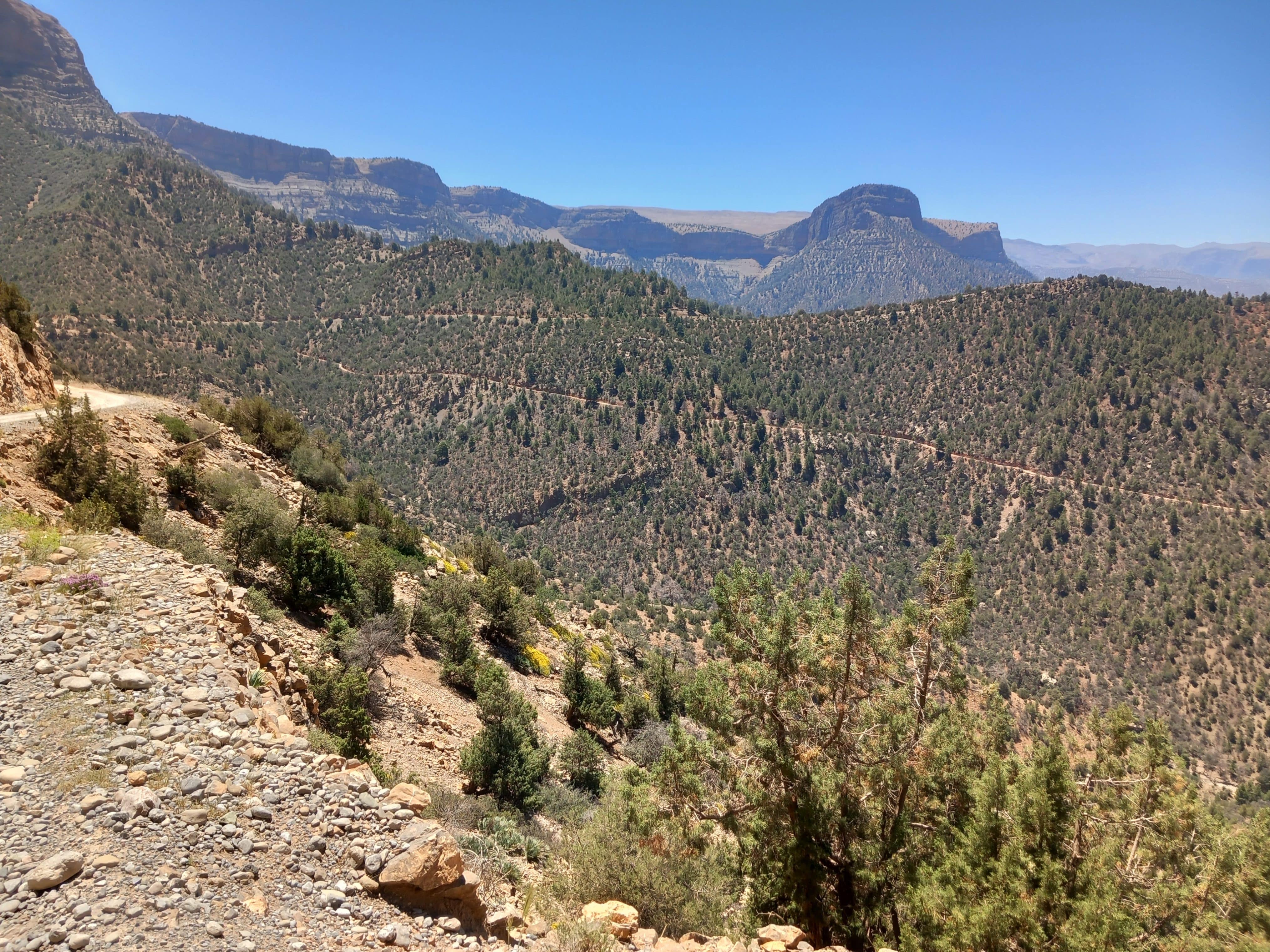
In Morocco’s High Atlas, forest degradation threatens biodiversity, traditional knowledge and rural livelihoods. The project develops community-based restoration models, strengthens local capacities and establishes certification systems to promote responsible forest management and sustainable value chains.
Why it matters
The project links forest restoration with local economic development. It values traditional knowledge, promotes sustainable practices and creates market opportunities for forest products, helping conserve biodiversity and strengthen community livelihoods.
Areas of actions
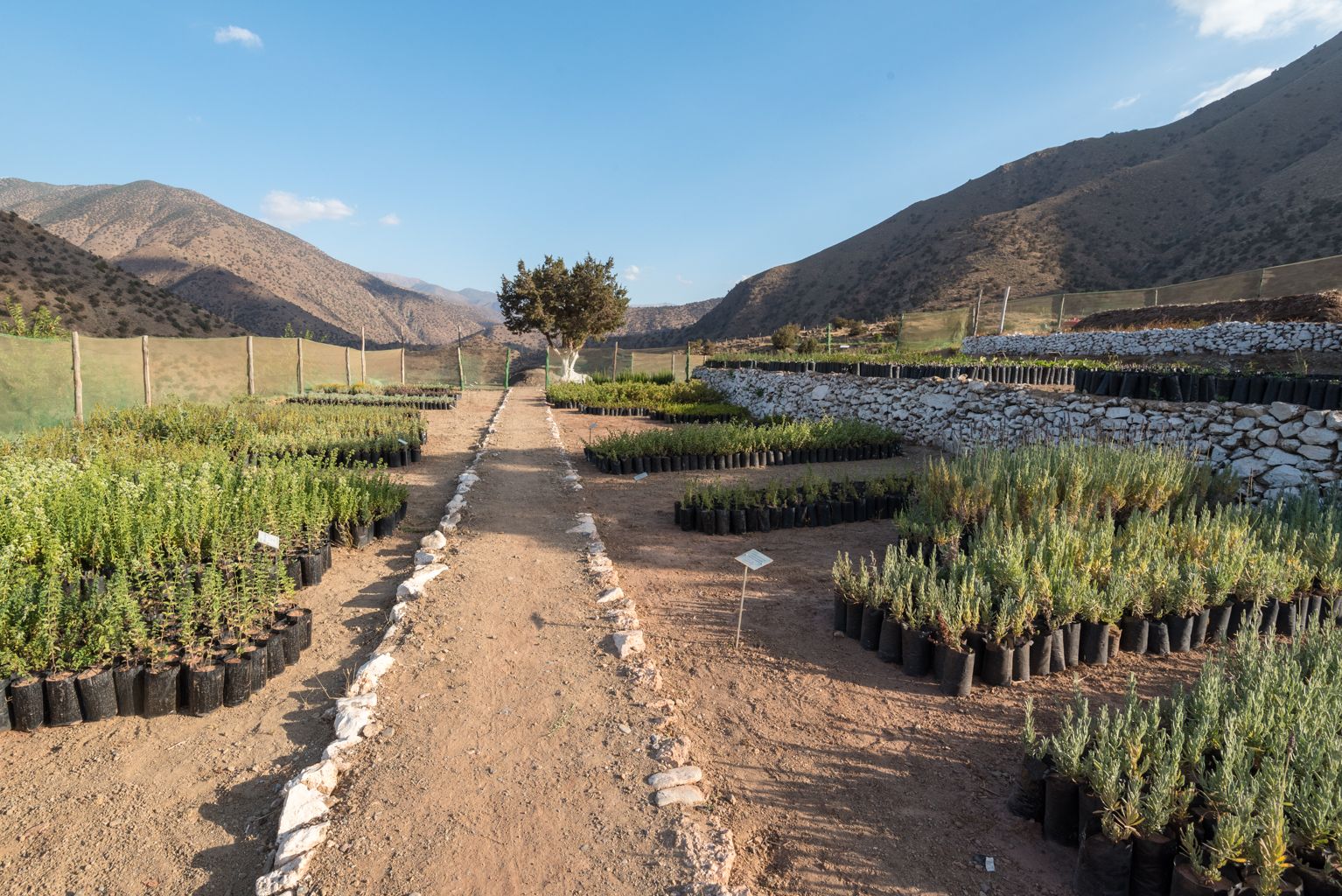
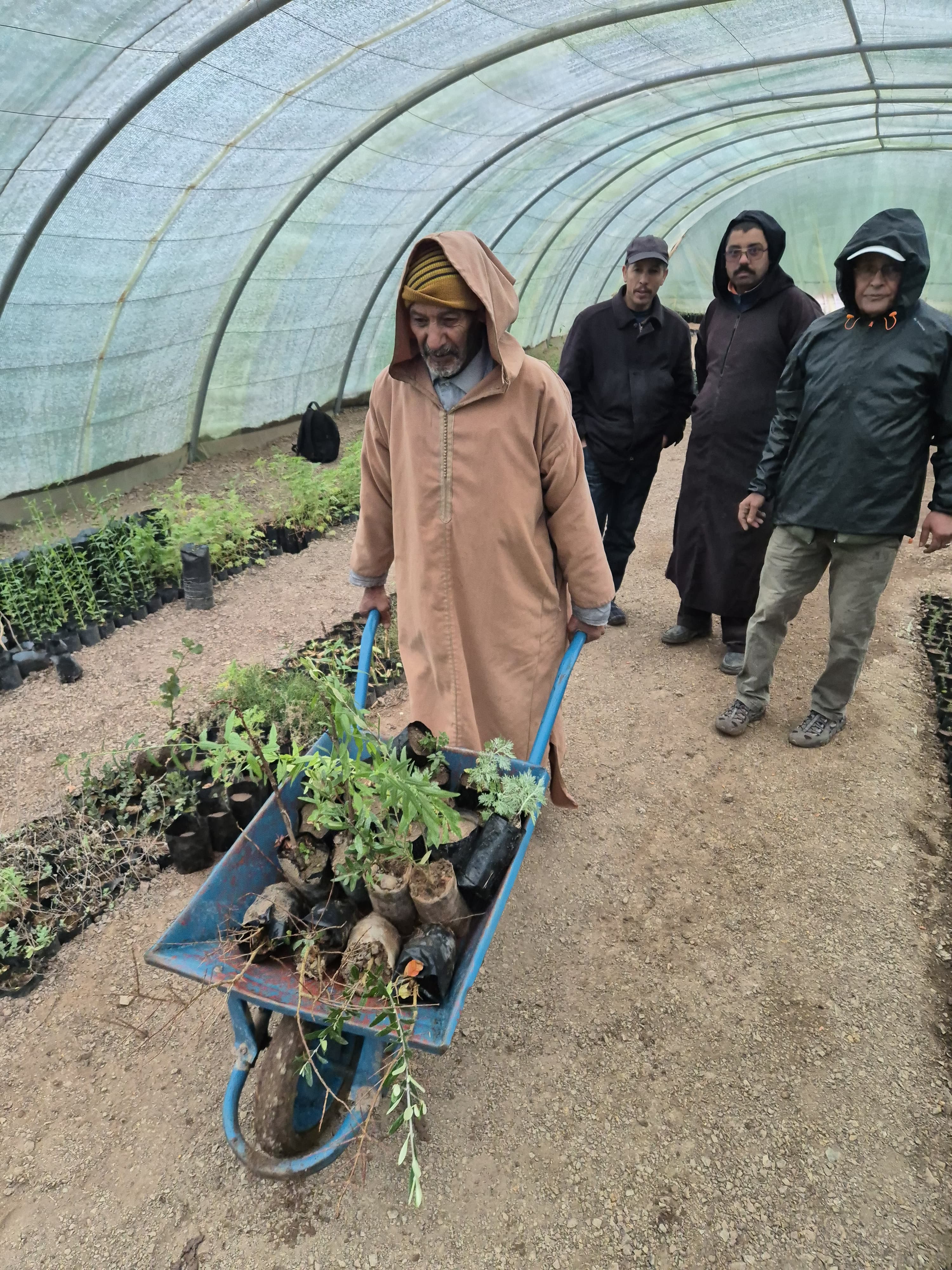
- Area 1 – Community-Based Forest Restoration: Develop and implement restoration plans for degraded community forests, targeting 1,050 hectares of forest landscape restoration across the project sites.
- Area 2 – Certification and Sustainable Value Chains: Establish participatory certification systems for responsible forest management and products derived from natural resources, including standards based on the FairWild framework.
- Area 3 – Economic Development and Knowledge Sharing: Launch the “High Atlas Harvest” brand, support local cooperatives and disseminate good practices in responsible forest management.
Moroccan Biodiversity and Livelihoods Association (MBLA)
Founded in 2014 by young Moroccan Amazigh ecologists, MBLA works to conserve biodiversity and promote rural development in the High Atlas. It values traditional knowledge, supports agroecology and agroforestry, and strengthens community capacities. It also develops sustainable value chains that combine ecosystem protection with improved local livelihoods.
Learn morePhoto Gallery