
Upscaling the conservation efforts of the Greater Amanzule Wetlands through the creation of Community Resource Management Areas and Green Livelihood Enterprises (UPSComRMAGLE)
Hen Mpoano

Objective
Strengthen the conservation of the Greater Amanzule Wetlands by promoting community-based natural resource governance, restoring degraded habitats and supporting sustainable economic activities for local communities.
Context and Challenges
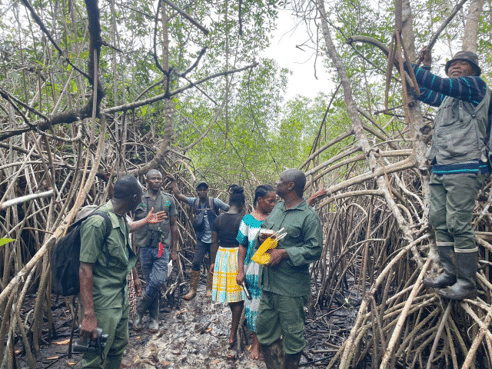
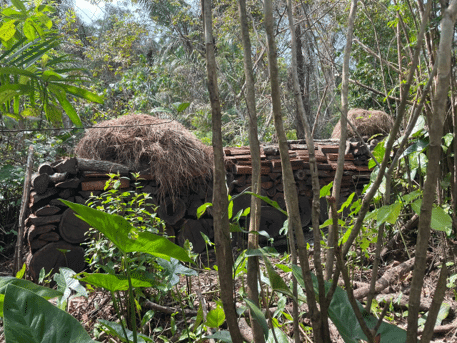
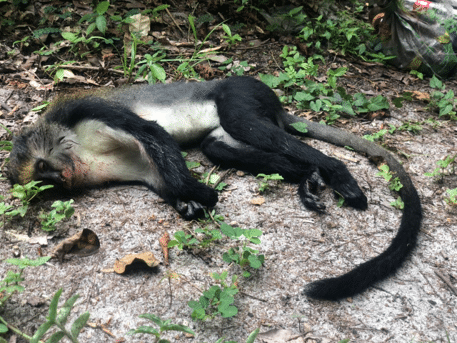
The Greater Amanzule Wetlands comprise peatlands, mangrove forests, lagoons, estuaries and salt marshes that support significant biodiversity. Following an initial project that documented this biodiversity and initiated two Community Resource Management Areas (CREMAs), this new phase aims to formalise these two areas and establish two additional ones. It will also implement community-based management plans to protect natural habitats, restore degraded forests and improve local livelihoods.
Why It Matters
By combining ecosystem restoration with local governance and economic development, the project helps conserve wetlands while improving community livelihoods. It also strengthens local communities’ capacity to manage natural resources sustainably and respond to the impacts of climate change.
Areas of Actions
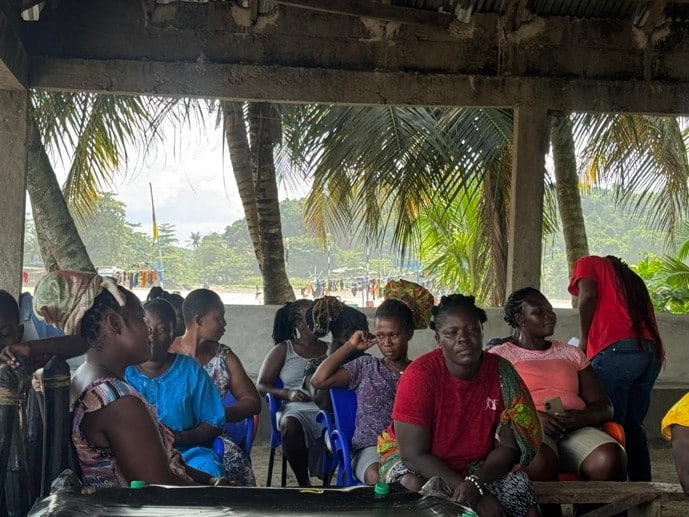
- Community Governance and Capacity Building: Support the establishment and formalisation of four CREMAs, develop participatory management plans and strengthen communities’ natural resource management skills.
- Sustainable Livelihoods: Develop income-generating activities, particularly beekeeping and the sustainable use of non-timber forest products, to diversify livelihoods and reduce pressure on ecosystems.
- Habitat Restoration and Ecological Monitoring: Restore degraded habitats, promote sustainable resource management practices, strengthen ecosystem and community resilience to climate change, and carry out monitoring, awareness-raising and evaluation activities.
Hen Mpoano
Hen Mpoano is a Ghanaian NGO established in 2013, specialising in the sustainable management of fisheries, coastal ecosystems and natural resources. Its experienced team supports communities in developing local governance systems, including Community Resource Management Areas (CREMAs). The organisation also promotes sustainable economic activities, such as beekeeping and agroforestry, to reconcile environmental conservation, ecosystem resilience and improved livelihoods for local communities.
En savoir plusGalerie photo