
HUMUS & HUMANS, An innovative restoration model for soils and communities
Sadhana Forest Kenya

Objective
Reverse soil degradation and boost food security in Kenya by training communities to plant 50,000 oxalogenic trees, restoring biodiversity and water retention.
Context and challenges
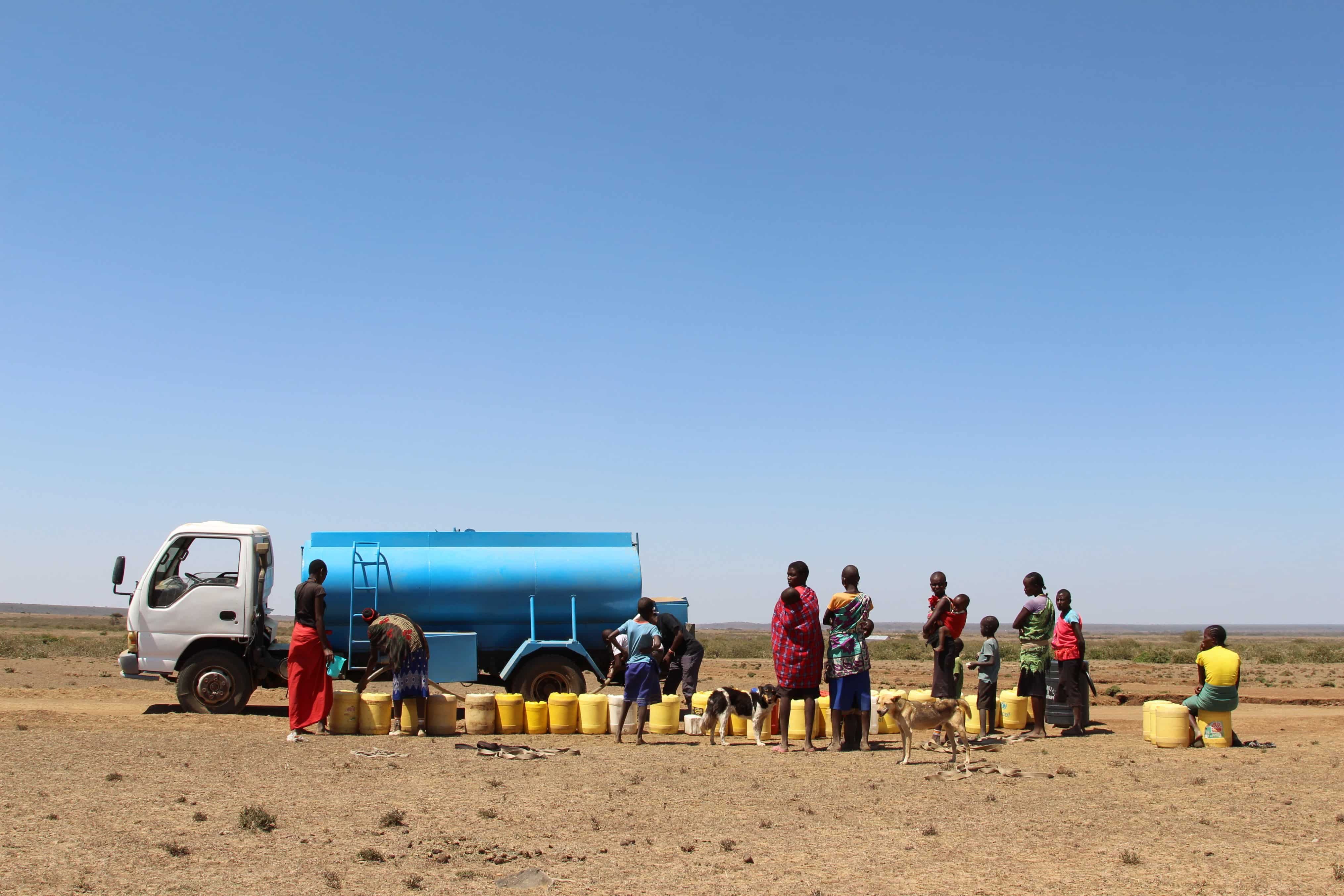
Northern Kenya faces severe drought, soil degradation, and malnutrition, with over 4.4 million food-insecure people. Deforestation and climate change accelerate desertification, forcing migration and increasing poverty in Samburu, Turkana, and Marsabit counties.
Why it matters
This project combats desertification using innovative oxalogenic trees that sequester CO2 as limestone. It empowers vulnerable pastoralists to regain food autonomy, restore ecosystems, and build long-term resilience against climate shocks.
Areas of actions
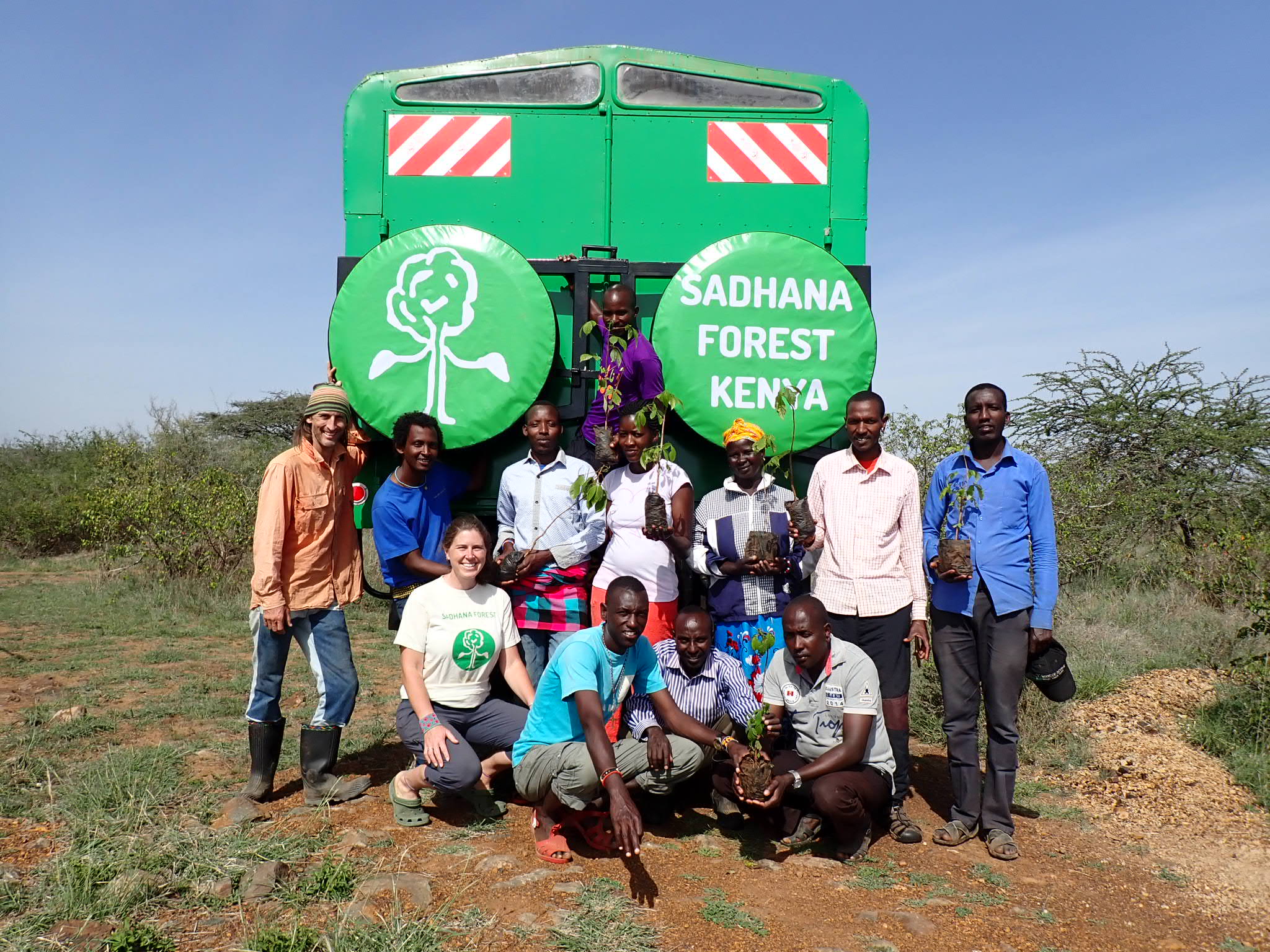
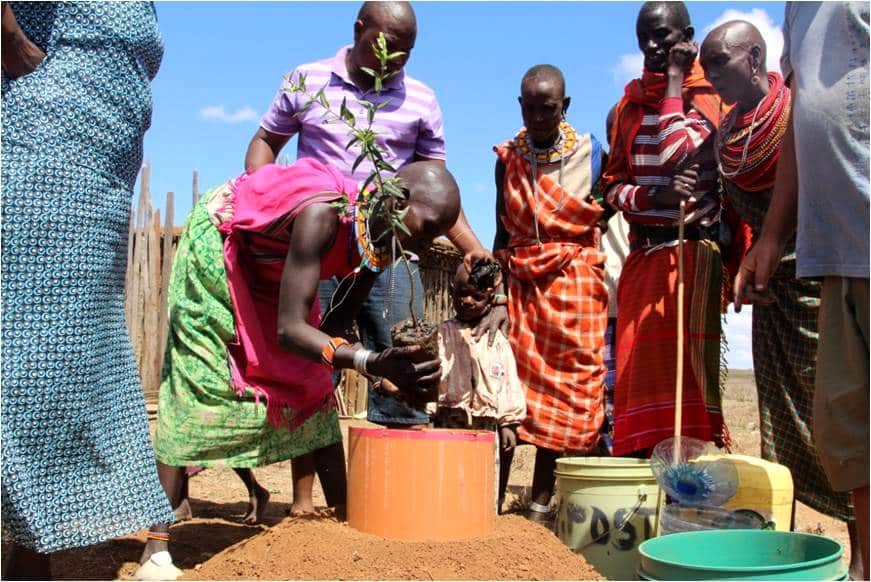
- Mobile training units teaching agroforestry and water conservation techniques to 12,000 direct beneficiaries across 33 villages.
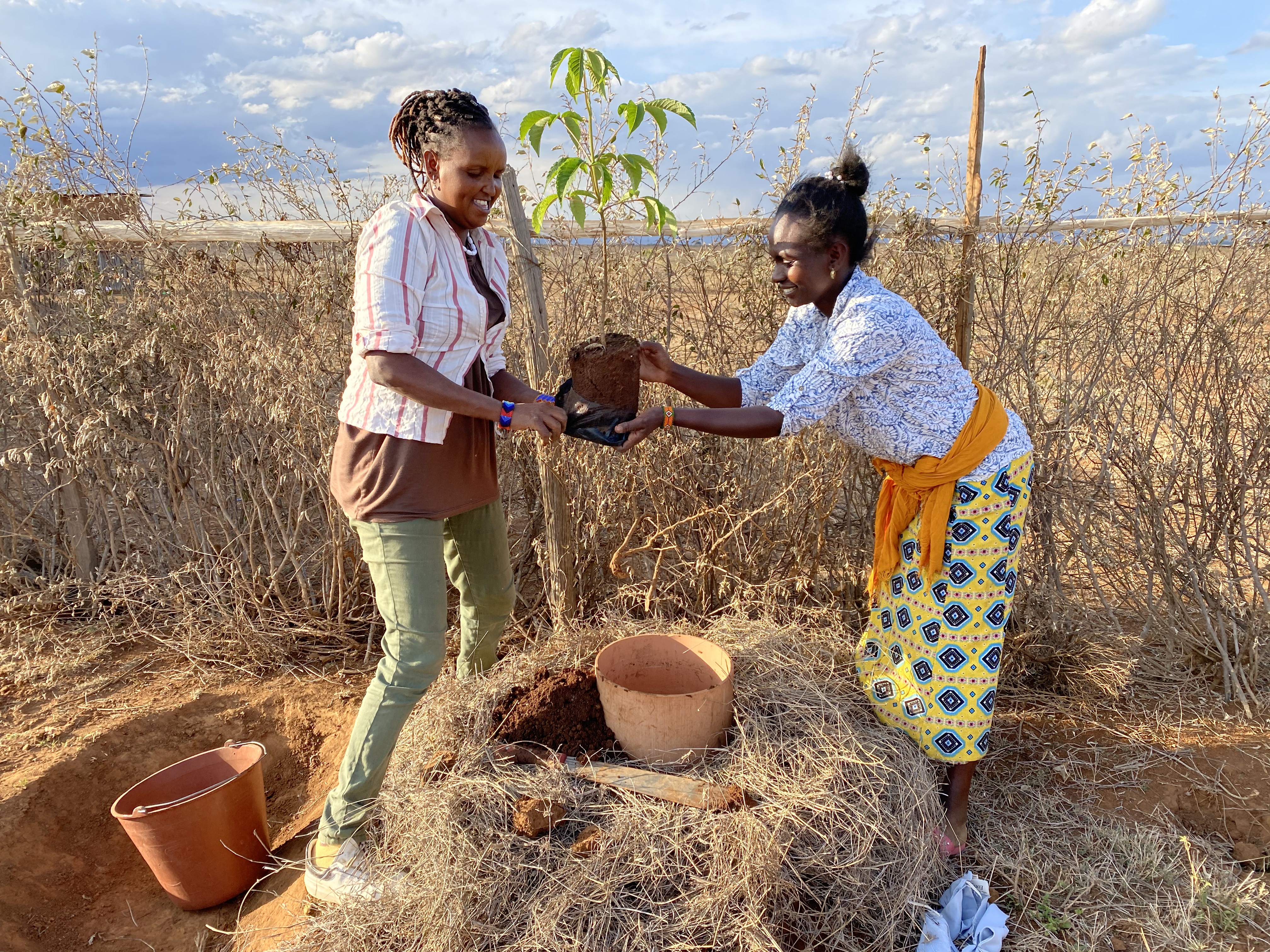
- Distribution and planting of 50,000 indigenous, drought-resistant, and food-producing saplings (including oxalogenic species).
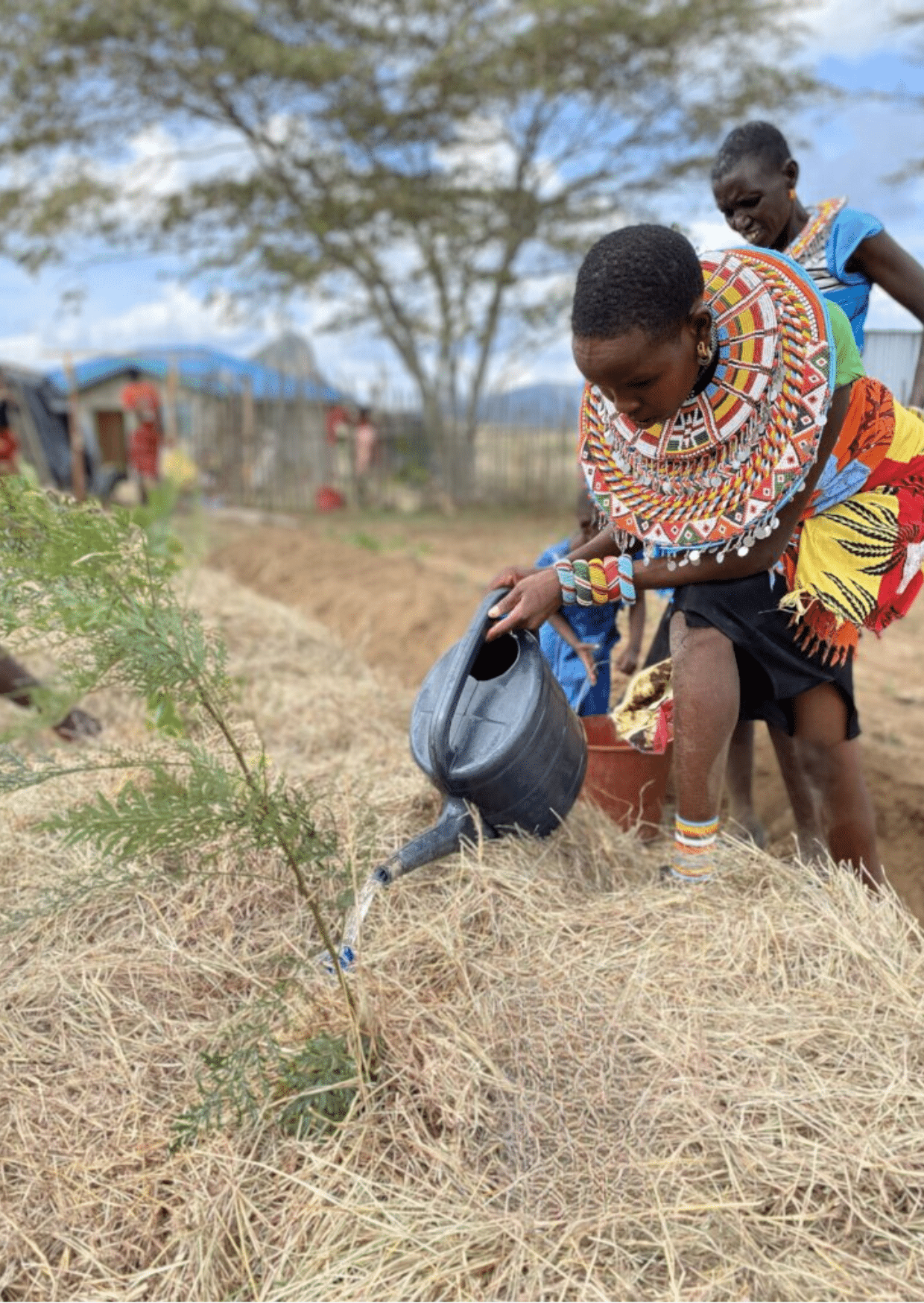
- Construction of water retention structures (swales, trenches) and capacity building for sustainable fundraising to ensure long-term impact.
Sadhana Forest Kenya
Sadhana Forest Kenya is an international NGO operating since 2012, specializing in ecological restoration and community empowerment. With 20 years of global experience, it utilizes a participatory model to teach sustainable tree planting and water management. Accredited by the UNCCD and UNFCCC, the organization focuses on reversing soil degradation, enhancing biodiversity, and improving food security in arid regions through innovative, science-based agroforestry techniques.
Photo Gallery